
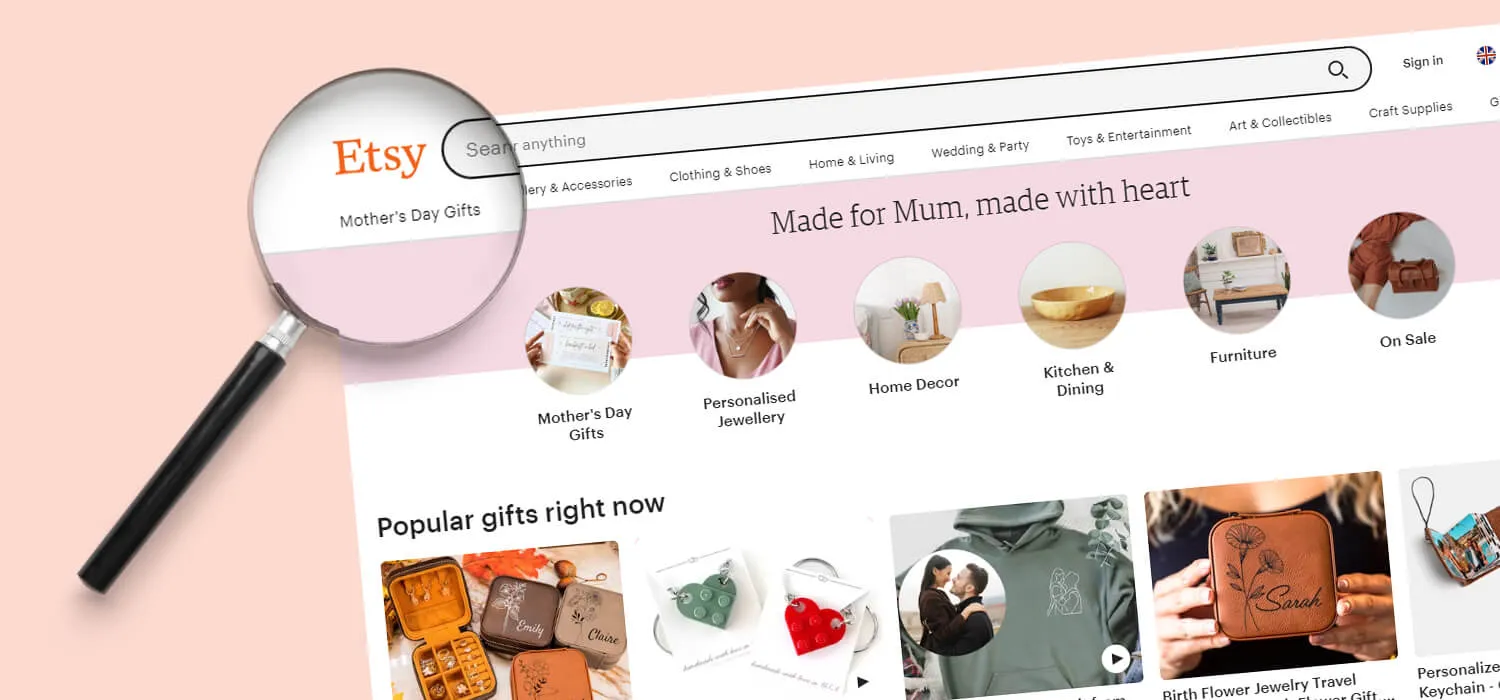
Everything You Need to Know About Etsy: The Ultimate Guide to Selling Handmade & Unique Products Online

Etsy has become the world’s best-known marketplace for handmade goods, vintage items, and unique creative products. For makers and small creative businesses, it offers something the big general marketplaces do not: an audience that specifically values craftsmanship and originality. This guide explains what Etsy is, what you can sell there, and how to start a shop the right way, so you approach it as a real business rather than a hopeful experiment.
What Etsy is and why it is different
Etsy is an online marketplace focused on handmade, vintage, and craft-supply products, connecting independent sellers with buyers who are actively looking for something distinctive. Its value lies in that focus: rather than competing on price against mass-produced goods, sellers compete on creativity, quality, and story. This makes it an ideal home for artisans, designers, and small creative brands who would struggle to stand out on a general marketplace but thrive in front of an audience that came specifically for handmade and original items.
What you can sell
Etsy is built around three broad categories: handmade items you create yourself, vintage goods that are typically twenty years or older, and craft supplies for other makers. In practice this covers a huge range — jewellery, art and prints, clothing, home decor, personalised gifts, digital downloads such as templates and printables, and much more. Digital products deserve special mention, because they can be sold repeatedly with no shipping or inventory, making them one of the most scalable ways to earn on the platform.
How to start selling, step by step
Opening an Etsy shop is straightforward, but doing it well takes care. You begin by creating an account and setting up your shop with a clear name and branding. Then you add your products, and this is where success is largely decided: strong photographs, honest and detailed descriptions, and thoughtful keywords determine whether buyers find and trust you. Next you configure payments and shipping so the buying process is smooth. Finally you launch — but launching is the start, not the finish, since ongoing attention to listings and customer service is what builds a sustainable shop.
What separates successful shops
The sellers who do well on Etsy treat their listings as their storefront. High-quality photos that show products clearly and attractively are the single biggest factor in whether someone clicks. Well-written descriptions that answer buyers’ questions build confidence and reduce returns. Thoughtful use of keywords helps Etsy’s search surface your products to the right people. And responsive, friendly customer service earns the reviews that drive future sales. None of this requires a big budget — it requires care and consistency.
Final thoughts
Etsy offers a genuine opportunity for anyone who makes or sources something unique, giving small creative businesses access to a global audience that specifically wants what they offer. Success is not automatic, but it is achievable: present your products well, treat it as a real business, and focus on the quality and service that turn first-time buyers into repeat customers. Start with a few strong listings, learn from what sells, and grow from there.
Related Guides
Continue reading on related topics: